Sodding services
Grading and Sodding in Toronto
Water pooling on the lawn or running toward the house? We reshape the ground so it drains, add fresh topsoil and sod it, all in one job.
- Dips, ruts and low spots corrected
- Surface water directed away from the house
- Fresh topsoil and sod over the new grade
A lawn problem that is really a ground problem
Some lawns fail no matter what is planted on them, because the ground underneath is the wrong shape. A dish in the middle of the yard holds water for days and drowns the grass. A slope toward the foundation sends every rainfall to the basement wall. A trench that settled after a repair leaves a rut the mower scalps every week.
New sod laid over the same shape will fail the same way. Grading fixes the shape first. It is the part of a sodding job nobody sees afterwards, and the part that decides whether the lawn lasts.
What grading and sodding includes
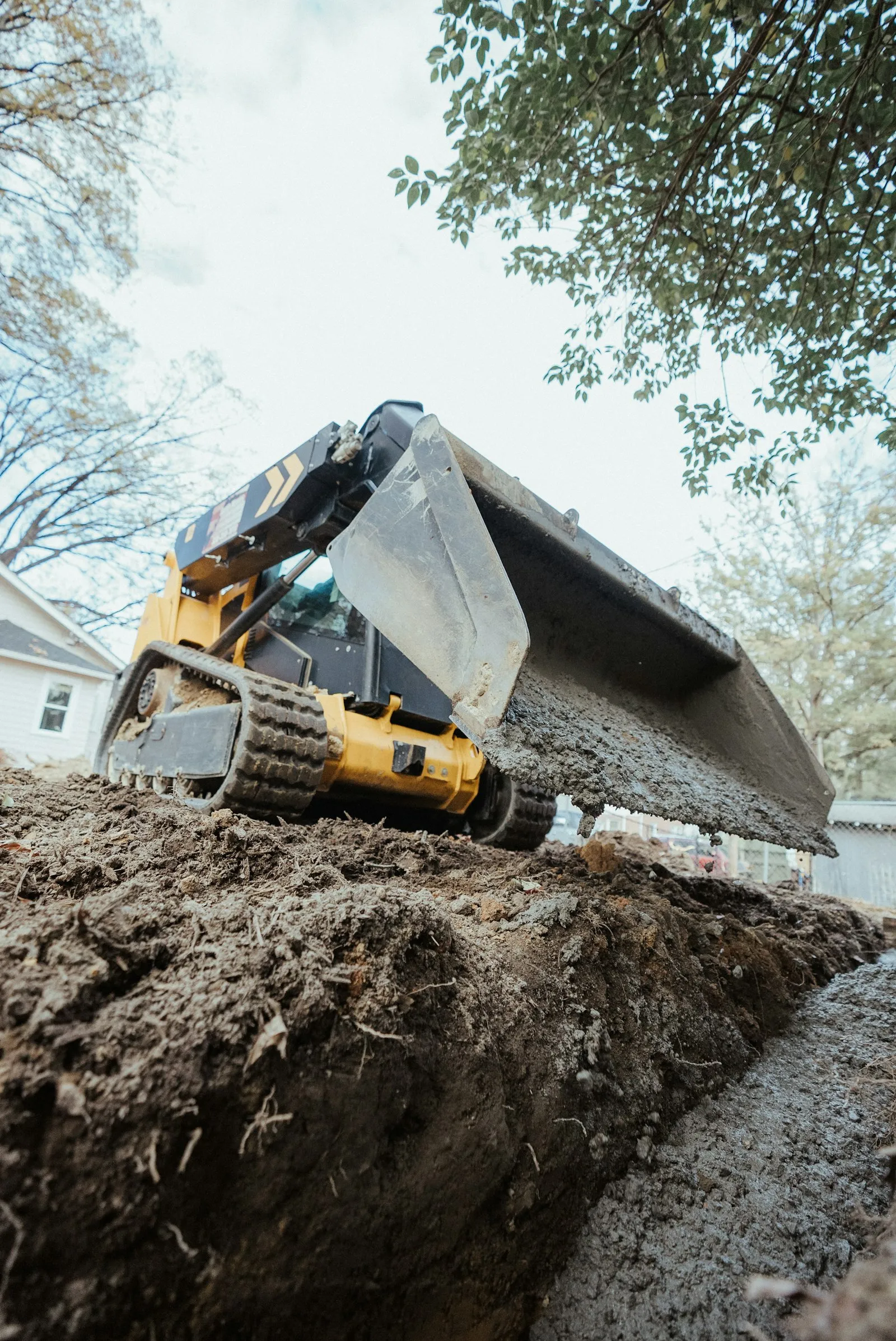
After the old lawn is removed, we rough-grade the bare ground: cutting down high spots, filling low ones, and setting a steady fall so surface water moves away from the building and does not collect. Fresh topsoil goes over the new shape and is final-graded smooth and firm. Then Kentucky Bluegrass sod is laid over the whole area and watered in.
Toronto's property standards expect a yard to be graded so that water does not pond and drains away from building walls. Much of the west end sits on slow-draining clay and silt till, where a nearly flat lawn can stay wet for days. On that kind of ground the grade does the work that the soil cannot.
Included in every quote
- Old lawn tear-out and disposal
- Rough and final grading
- Fresh topsoil
- Kentucky Bluegrass sod
- Initial watering and care instructions
Not part of a standard quote: weeping tile, catch basins, retaining walls and downspout rerouting. If the problem needs one of those, we will say so before quoting the lawn.
Signs the grade is the problem
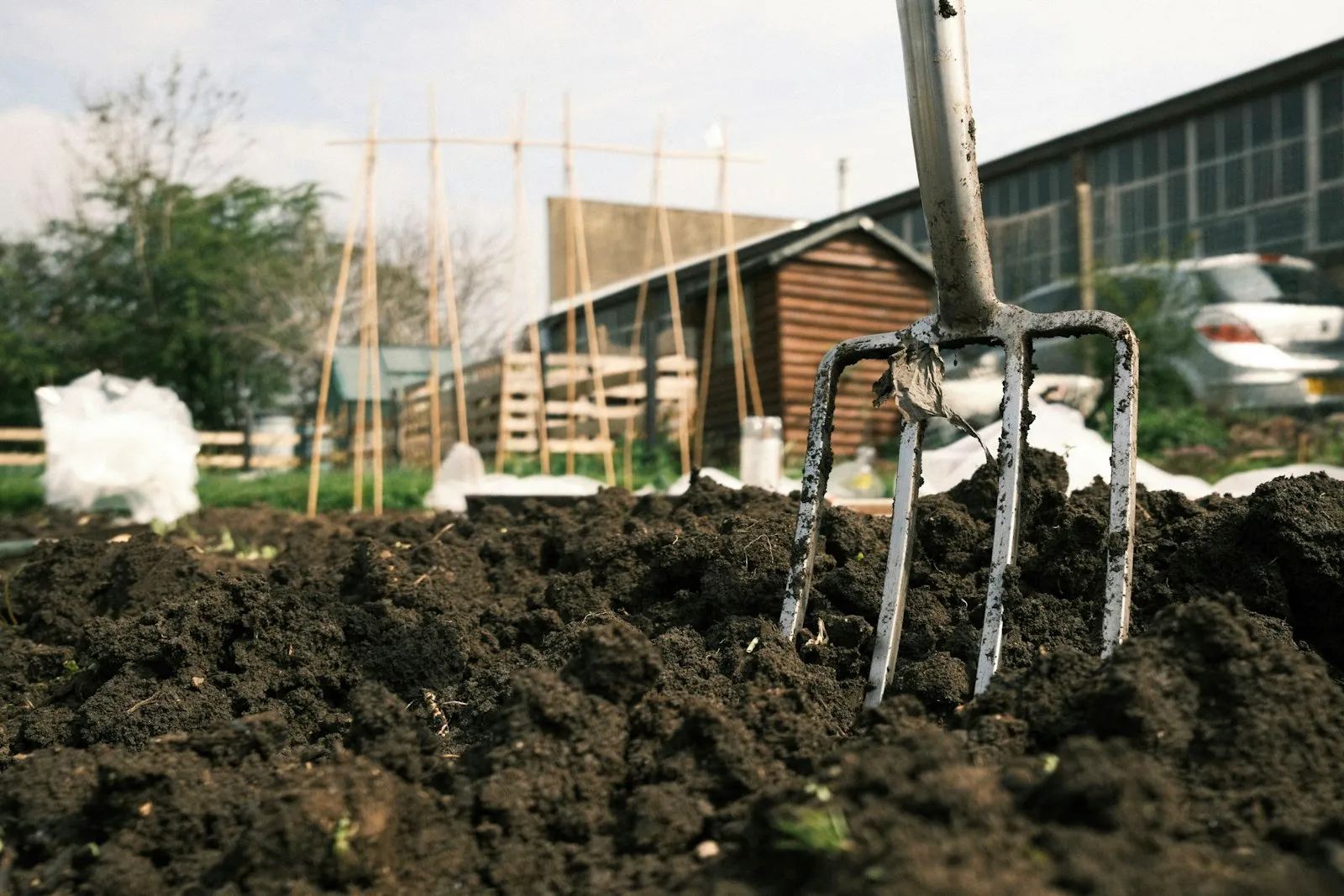
- Puddles sit on the lawn a day or more after rain
- Water runs toward the house or pools against the foundation
- The mower scalps the high spots and misses the low ones
- A trench or excavation has settled into a visible rut
- Moss or bare mud has replaced grass in the low corner
- A neighbour's rebuild has changed where the water goes
Where grading problems come from
Settled ground
Soil backfilled after a foundation repair, a new service line or a removed tree keeps sinking for years, leaving dips and ruts.
Clay and silt soils
Common across Etobicoke and York. Water soaks in slowly, so the surface has to carry it away. Sandier ground near the old Lake Iroquois shoreline behaves differently.
Rebuilds and additions
A new house or a bigger footprint changes where water runs. City rules for new houses require the existing drainage pattern to be kept, but the lawn in between often still needs reshaping.
Slopes and valley edges
Lots that fall toward a ravine or river valley shed water fast and can erode. Near the Humber and the creeks, grading may also need conservation authority approval.
How a grading and sodding job runs
Assess
We look at where water sits and where it should go, and check for protected trees and valley-edge rules.
Strip
The old lawn is removed so the true shape of the ground can be seen and worked.
Rough grade
High spots are cut, low spots filled, and a steady fall is set away from the house.
Topsoil and final grade
Fresh topsoil is spread over the new shape and levelled smooth and firm.
Sod and water
Sod is laid over the whole area, rolled, and given its first deep watering.
What grading and sodding costs
$2.25 – $4.50 per sq ft
Regrading is the main reason a quote lands in the upper half of our $2.25 to $4.50 per square foot range before HST. How much soil has to be moved or brought in decides it. The minimum job is $1,500.
Why choose Toronto Sodding for grading
Grading is in the scope
Rough and final grading are part of every sodding quote we write, not an extra found on the day.
Straight about limits
A surface grade cannot fix a high water table or a failed drain. If that is the cause, we tell you.
Rules checked first
Protected trees and regulated valley land are flagged at the quote, before any soil is moved.
One crew, one job
The ground is shaped and sodded as a single job, so nobody sods over someone else's grade.
Where we provide grading and sodding
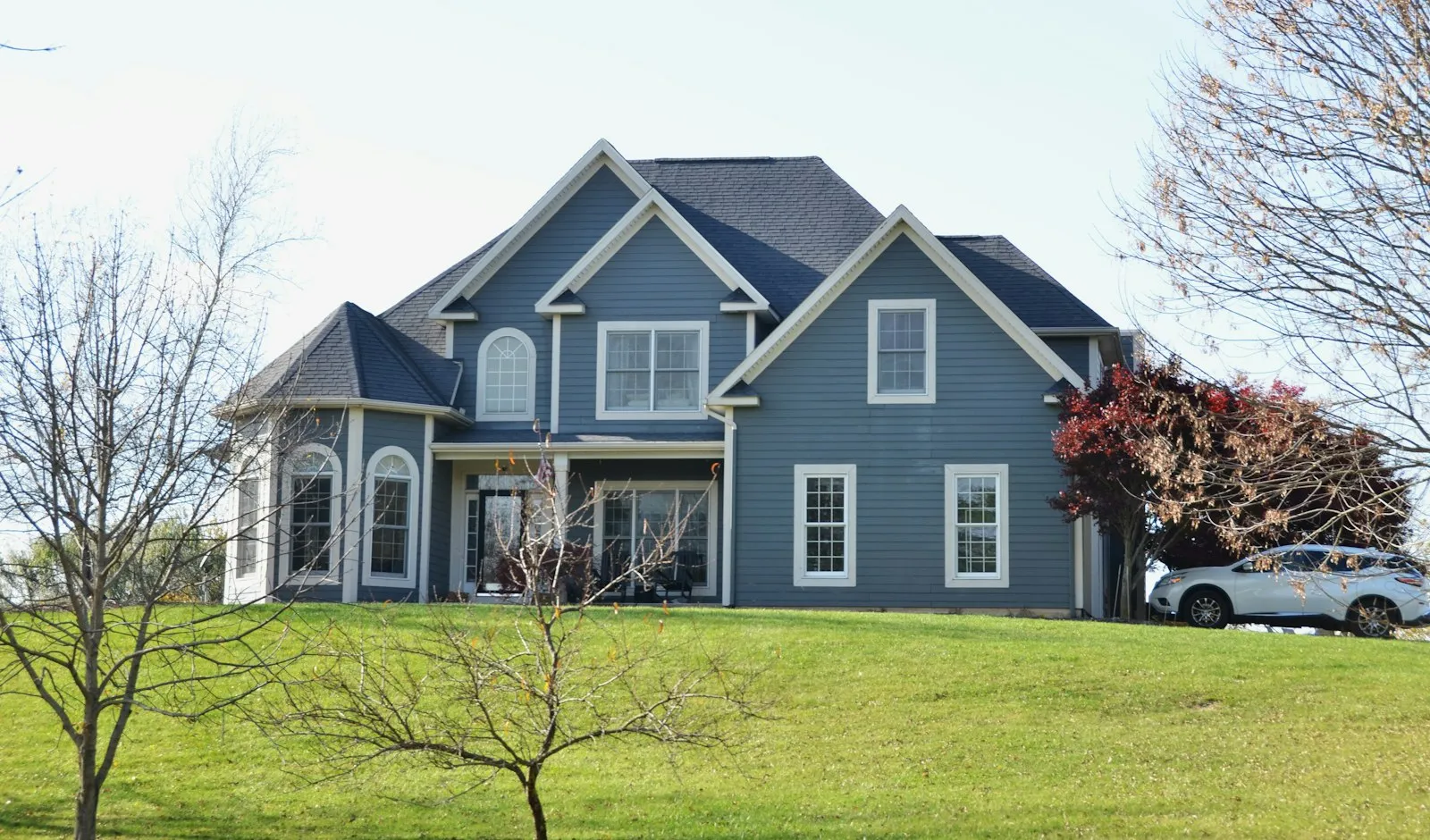
Across the City of Toronto. It is most often needed on the clay soils of the west end and on lots near the Humber valley.
Grading and sodding questions
Does every lawn need grading before sod?
Every lawn gets a final grade, which means levelling the topsoil so the sod sits flat. Not every lawn needs its shape changed. If water already drains well, we keep the existing fall and just smooth it. Reshaping is for yards that pond, rut or slope the wrong way.
Will grading fix a wet back yard?
If the water is rain that has nowhere to go, usually yes: a steady slope gives it a way off the lawn. If the ground is wet because of a high water table, a spring or a broken drain, surface grading will not cure it. We look at which it is before quoting.
Can you change the grade next to a big tree?
Only with care. Toronto protects private trees with trunks 30 cm or more across, and adding or removing soil inside a tree's protection zone can need a permit. We keep grade changes away from protected trees where possible, and point out at the quote where you should check with the City first.
Related sodding services
Tell us where the water sits
Send a photo after rain with your postal code. We reply with a written quote within the same business day.